Pressrelease – ucneuroscience.com https://ucneuroscience.com/ Thu, 11 Sep 2025 06:37:27 +0000 en-US hourly 1 https://wordpress.org/?v=7.0.3 /wp-content/uploads/2024/05/cropped-uc-health-logo-32x32.png Pressrelease – ucneuroscience.com https://ucneuroscience.com/ 32 32 Revolutionary Wireless Vagus Nerve Stimulator Brings Medical-Grade Wellness Technology to Consumer Market https://ucneuroscience.com/revolutionary-wireless-vagus-nerve-stimulator-brings-medical-grade-wellness-technology-to-consumer-market/ Thu, 11 Sep 2025 06:37:27 +0000 https://97ef6a42ce22f2ba74c76.admin.hardypress.com/?p=1190 Vagal oh! Introduces Ultra-Compact Device Featuring Breakthrough EverSteady Technology for Safe, Non-Invasive Nerve Stimulation


[San Diego, September 10th] – Vagal.com, a leader in accessible vagus nerve stimulation technology, today announced the launch of Vagal Oh!, a ground-breaking wireless, non-invasive vagus nerve stimulator that represents a quantum leap in personal wellness technology. The ultra-compact device incorporates proprietary EverSteady technology, establishing a new gold standard for safe consumer nerve stimulation.

Breaking the Size Barrier in Wellness Technology

At just 23mm, Vagal oh! is the world’s smallest wireless vagus nerve stimulator, making advanced wellness technology truly portable without compromising effectiveness. The device’s revolutionary miniaturization represents years of engineering innovation, bringing medical-grade nerve stimulation capabilities to a form factor smaller than most fitness trackers.

“We’ve fundamentally reimagined what’s possible in vagus nerve stimulation,” said Hannah, Customer Relations at Vagal.com “Vagal Oh! proves that cutting-edge wellness technology doesn’t require bulky equipment or complex setups. This is vagus nerve stimulation made beautifully simple.”

EverSteady Technology: The New Gold Standard

The device’s cornerstone innovation, EverSteady technology, addresses the primary safety concerns that have limited consumer access to vagus nerve stimulation. This proprietary system automatically monitors and adjusts stimulation parameters in real-time, ensuring optimal therapeutic benefit while maintaining the highest safety standards.

EverSteady technology features:

  • Adaptive Current Regulation: Automatically adjusts stimulation intensity based on individual physiological responses
  • Continuous Safety Monitoring: Real-time impedance checking prevents overstimulation
  • Precision Targeting: Advanced algorithms ensure stimulation reaches optimal nerve pathways
  • Zero-Drift Guarantee: Maintains consistent therapeutic parameters throughout each session

Clinical Foundation Meets Consumer Accessibility

Vagus nerve stimulation has been extensively studied for its benefits on stress reduction, sleep quality, mood regulation, and overall wellness. However, previous devices required clinical settings or complex home installations. Vagal oh! democratizes this technology, making it accessible to anyone seeking to optimize their autonomic nervous system.

“The vagus nerve is essentially your body’s reset button,” explained Dr. Brown, an independent neurologist specializing in autonomic disorders. “What Vagal has achieved with EverSteady technology is remarkable – they’ve made this powerful therapeutic modality both safe and simple enough for daily home use.”

Market Impact and Availability

The wellness technology market has seen unprecedented growth, with consumers increasingly seeking evidence-based solutions for stress management and overall health optimization. Vagal Oh! enters this market with a unique value proposition: medical-grade efficacy in an ultra-portable, user-friendly package.

Key market differentiators include:

  • Wireless Freedom: No cables, electrodes, or complex setup requirements
  • Ultra-Portable Design: Fits easily in pocket or purse for wellness on-the-go
  • Medical-Grade Safety: EverSteady technology ensures clinical-level safety standards
  • Consumer-Friendly: Designed for daily use by wellness enthusiasts, not medical professionals

About Vagal

Founded on the principle of making advanced wellness technology accessible to all, Vagal has been pioneering consumer vagus nerve stimulation solutions since 2019. The company’s mission, “Vagally Better,” reflects its commitment to improving lives through innovative nerve stimulation technology. Vagal’s products combine rigorous scientific research with elegant design, bringing clinical-grade wellness solutions to the consumer market.

Ordering Information

Vagal Oh! is available for immediate order through vagal.com. Early adopters can take advantage of introductory pricing and free shipping worldwide.

Order now at Vagal.com


Media Contact: Hannah Vagal Phone: +1 678 VAGALLY Email: [email protected] Website: https://vagal.com

High-resolution images, technical specifications, and interview opportunities available upon request.


About This Release: This press release contains forward-looking statements about Vagal’s products and technology. While based on current research and development, individual results may vary. Vagal oh! is designed for wellness purposes and is not intended to diagnose, treat, cure, or prevent any disease.

]]>
Study Confirms Different Generics Have Equal Efficacy Treating Epilepsy https://ucneuroscience.com/pressrelease/study-confirms-different-generics-have-equal-efficacy-treating-epilepsy/ Thu, 11 Feb 2016 05:00:00 +0000 https://ucneuroscience.com/pressreleasex1study-confirms-different-generics-have-equal-efficacy-treating-epilepsy/
Michael Privitera, MD, Director of the UC Epilepsy Center. Photo by UC Academic Health Center Communications Services.

Michael Privitera, MD, Director of the UC Epilepsy Center. Photo by UC Academic Health Center Communications Services.

Contact: Alison Sampson
(513) 558-4559
[email protected]

While approved generics are required to be equivalent to their brand-named counterparts in terms of active ingredients, some may wonder if a switch between generics could cause problems for someone who relies on daily medication to control a severe, chronic condition, like seizures.

A new study led by Michael Privitera, MD, professor in the Department of Neurology and Rehabilitation Medicine and director of the Epilepsy Center at the University of Cincinnati Neuroscience Institute, tested two generic lamotrigine (prescription antiepileptic) products and found no detectable difference in clinical effects among patients in the trial. The findings were published this week in an advance online edition of The Lancet Neurology.

“Study results show that as long as patients adhere to their treatments, the two generics did not show any difference in their bioequivalence,” says Privitera. “Consequently, it should give increased confidence to both clinicians and patients that existing regulations are providing generic drugs that can be safely substituted, even in cases where medicine is life-saving. Patients can now feel safe about substituting generics (of their antiepileptic drug) without concerns of interactions or undesired effects.”

The study included 35 patients, adults with epilepsy who currently take lamotrigine, and looked at long-term dosing using two currently on-market epileptic generic drugs. The researchers took measures to ensure treatment adherence, a factor that can affect long-term trials. This trial used patient diaries, electronic medication monitoring and tablet counts to keep adherence to nearly 100 percent.

This study was initiated after several previous uncontrolled studies suggested risks with generic switching, but other studies showed no such risk. The American Epilepsy Society (AES) expressed concern over reported differences in antiepileptic generics. AES, the American Academy of Neurology and other professional societies had opposed patients substituting antiepileptic generics for people with epilepsy without consent of the physician or patient out of concern that the U.S. Food and Drug Administration (FDA) was allowing room for too much variability across formulations.

The need for effective generics is essential to some patients who need daily medication to treat serious conditions like epilepsy. The FDA estimates $230 billion per year is saved by generic substitutions.

The FDA, who had not tested generic-to-generic, agreed to fund three studies with AES and the Epilepsy Foundation (EF) as co-funders—referred to as EQUIGEN. This trial used two generics considered the most disparate products on the market, and in a double-blind study, switched patients from one generic to the others throughout the course of the trial.

Lamotrigine, a widely used drug for the treatment of epilepsy, is an ideal drug for this assessment, says Privitera, particularly because it has also been the subject of the noted problems with generic switches and complaints to the FDA. Additionally, it is considered a more sensitive drug, susceptible to drug-to-drug interactions.

With these new findings, a variety of factors could explain the cause for the previously reported inconsistencies, says Privitera. “One is the ‘nocebo’ effect, where patients and clinicians expect the generic products to be inferior, so the therapeutic effect is assumed to be reduced.”

Other issues that led to concern over generic switching could be attributed to pill confusion—because every time a patient switches generics, the pill color or shape will change—or that the quality of generics are improving over time, says Privitera.

The study was developed through collaborative efforts of the authors, the FDA and several organizations holding widely differing views on generic safety, designed to address skepticism surrounding generic antiepileptic drug treatments, and clear up several criticisms of the standard generic drug approval process. While the study is limited to a drug used extensively in epilepsy and psychiatry, the implications of such findings extend beyond this particular drug, indicating that FDA standards for bioequivalence are appropriate.

To further confirm the findings in this study, a single-dose study of the same generic lamotrigine products is currently underway.

The study’s co-authors included researchers from Drake University, University of Madison-Wisconsin, University of Kansas Medical Center, University of Alabama at Birmingham, Harvard Medical School, University of Pennsylvania, the office of research for the Food and Drug Administration and the University of Rochester.

This study was funded by the American Epilepsy Society, Epilepsy Foundation, and U.S. Food and Drug Administration. Privitera is president of the American Epilepsy Society. He does not cite any conflicts of interest.

]]>
UC Scientist Identifies Energy Sensor As Potential Target for Cancer Drugs https://ucneuroscience.com/pressrelease/uc-scientist-identifies-energy-sensor-as-potential-target-for-cancer-drugs/ Thu, 07 Jan 2016 05:00:00 +0000 https://ucneuroscience.com/pressreleasex1uc-scientist-identifies-energy-sensor-as-potential-target-for-cancer-drugs/
Atsuo Sasaki, PhD, in his lab at the Vontz Center for Molecular Studies. Photo by Cindy Starr.

Atsuo Sasaki, PhD, in his lab at the Vontz Center for Molecular Studies. Photo by Cindy Starr.

Contact: Cindy Starr
(513) 558-3505
[email protected]

CINCINNATI—An international research team formed by a University of Cincinnati (UC) cancer researcher has shown for the first time that a specific enzyme is responsible for sensing the available supply of GTP, an energy source that fuels the uncontrolled growth of cancer cells. The research underscores the enzyme’s potential to become a therapeutic target for future cancer drugs.

The findings of Atsuo Sasaki, PhD, assistant professor in the Division of Hematology Oncology at the UC College of Medicine and a researcher at the Brain Tumor Center at the UC Neuroscience Institute and UC Cancer Institute, together with Toshiya Senda, PhD, professor at the High Energy Accelerator Research Organization in Tsukuba, Japan, were published online Jan. 7 in the journal Molecular Cell.

Sasaki and fellow researchers showed that the enzyme PI5P4Kβ (phosphatidylinositol-5-phosphate 4-kinase-β) acts like the arrow on a fuel gauge. The enzyme senses and communicates (signals), via a second messenger, the amount of GTP fuel that is available to a cell at any given time. Until now, the molecular identity of a GTP sensor has remained unknown.

“Energy sensing is vital to the successful proliferation of cancer cells,” he says. “A large amount of GTP is required in rapidly dividing cells, and cells need to know that the fuel is available to them. If we can interfere with the ability of PI5P4Kβ to sense fuel availability and communicate that information, we may be able to slow or halt the growth of cancers, including the aggressive brain cancer glioblastoma multiforme and cancers that have metastasized to the brain.”

The publication in Molecular Cell is Sasaki’s first to address PI5P4Kβ as a molecular sensor of GTP concentration. Initially, he and his team faced skepticism regarding the existence of GTP energy-sensing; however, with a pilot grant funded by Cincinnati’s Walk Ahead for a Brain Tumor Cure and other local sources, the researchers were able to pursue their high-risk research and acquire enough promising data to earn a five-year, $1.67 million grant from the National Institutes of Health in 2014.

“The publication in Molecular Cell is another milestone for Atsuo Sasaki and the UC Brain Tumor Center,” says Ronald Warnick, MD, medical director of the Brain Tumor Center and the John M. Tew, Jr., Chair in Neurosurgical Oncology. “The seeds of this discovery, which were planted locally by friends of the UC Brain Tumor Center and nourished by federal tax dollars, are now bearing their first fruit as we gain a better understanding of cancer’s energy mechanisms.”

GTP—guanosine triphosphate—is one of two energy molecules used by cells. The other is ATP (adenosine triphosphate). ATP handles the bulk of a cell’s energy requirements, while GTP is required for protein synthesis and is a signaling molecule that helps direct processes within the cell. When GTP levels are increased and utilized as fuel by rampaging cancer cells, GTP’s ability to perform its primary goals is compromised.

Sasaki and his team identified PI5P4Kβ as a GTP sensor by demonstrating, in a laboratory setting, its ability to bind to GTP and by demonstrating, at the atomic level by X-ray structural analysis, the molecular mechanism by which it recognizes GTP. They then designed PI5P4Kβ mutant cells that were unable to sense GTP concentration and, as a result, impaired the ability of PI5P4Kβ to promote tumor growth.

His next step is to use both pharmacological and molecular approaches that target PI5P4Kβ in a cell culture and in animal tumor models.

“By unveiling PI5P4Kβ’s role as a GTP sensor, we now have a potential new therapeutic target for patients,” Sasaki says. “If we can find drugs that stop PI5P4Kβ from acting as the fuel indicator, we could get these aggressive and tragic cancers into energy-depleted status.”

Additional co-authors include Nazanin Majd, MD, PhD, assistant professor of neurology at UC, and Kazutaka Sumita, MD, PhD, Satoshi Kofuji, PhD, Yoshiki Ikeda, PhD, and Hirofumi Yoshino, MD, PhD, post-doctoral fellows in the Division of Hematology Oncology and researchers at the UC Brain Tumor Center.

]]>
$1.8M Gift to Benefit Stroke Treatment, Prevention at UC https://ucneuroscience.com/pressrelease/1-8m-gift-to-benefit-stroke-treatment-prevention-at-uc/ Wed, 06 Jan 2016 05:00:00 +0000 https://ucneuroscience.com/pressreleasex11-8m-gift-to-benefit-stroke-treatment-prevention-at-uc/

Media Contact: Caitlin Whitehurst
(513) 556-4395
[email protected]

CINCINNATI–JR Verkamp never had the chance to meet his mother-in-law – she passed away after suffering a stroke in 1997. He never had a chance to meet her, but his philanthropic efforts as a trustee at the Marge and Charles J. Schott Foundation will preserve her memory and likely save many lives.

The Schott Foundation has gifted $1.8 million to University of Cincinnati’s Department of Emergency Medicine within the College of Medicine, establishing the Mary Louise “Weezie” Bays Endowed Chair for Stroke Treatment and Prevention Fund. The fund is named for Verkamp’s late mother-in-law and supports research, educational and patient care efforts for stroke treatment and prevention.

“Creating an endowed chair position at the University of Cincinnati is important. It keeps UC competitive as an attractive place to work and ultimately speaks to the Schott Foundation’s goal of working toward the greater good of Cincinnati,” Verkamp said. “UC already has a well-established team dedicated to stroke treatment and care, this gift will help with talent retention.”

Verkamp said he hopes the gift continues to attract premier physicians to UC and UC Health so they can remain at the forefront of stroke education, treatment and research.

“We are so grateful for the Marge and Charles J. Schott Foundation for its investment in our future,” said Opeolu Adeoye, MD, associate professor and co-director of the UC Stroke Team. “The Department of Emergency Medicine is unique nationally in having had longstanding collaborative relationships with Neurology, Neurosurgery and Neuroradiology resulting in a nationally and internationally renowned stroke program here at UC. The endowed chair will allow the department to continually support critical stroke treatment and prevention activities regardless of the vagaries of traditional funding mechanisms for such activities.”

UC’s Department of Emergency Medicine contributed $200,000 to raise the endowed chair fund to $2 million. The Department of Emergency Medicine has been an independent academic unit within the UC College of Medicine since 1984. It is responsible for the medical direction of the University of Cincinnati Medical Center, Center for Emergency Care (CEC) and the Emergency Medicine Residency Training Program.

“For nearly a decade, the Marge and Charles J. Schott Foundation has been making an incredible impact on UC through philanthropy,” said UC Foundation President Rodney Grabowski. “This gift supports a critical area that will ultimately benefit Greater Cincinnati and beyond through advancements in stroke treatment and prevention. We are so grateful for the Schott Foundation’s investment.”


]]>
New Hope for Treatment-Resistant Depression https://ucneuroscience.com/pressrelease/new-approaches-offer-hope-for-treatment-resistant-depression/ Tue, 17 Nov 2015 05:00:00 +0000 https://ucneuroscience.com/pressreleasex1new-approaches-offer-hope-for-treatment-resistant-depression/

Media Contact: Keith Herrell
(513) 558-4559
[email protected]

CINCINNATI—In the United States, over 15 percent of the population will suffer from depression at some point in their lives. In addition to the dark moods that give the psychiatric disorder its name,  individuals with depression often lose all ability to find joy in their lives; experience changes in energy, sleep and appetite; and find themselves so unable to concentrate that they may be mislabeled as suffering from dementia.

Fortunately, the past few years have seen an unprecedented expansion in treatment options for depression. New medication classes have become available, and innovative psychotherapeutic approaches are being brought to bear on the illness. Nonetheless, many patients have been failed by even these new treatments; depression remains a major source of disability, and suicide is the 10th-leading cause of death in the United States.

Unfortunately, notes Cal Adler, MD, a professor in the University of Cincinnati (UC) Department of Psychiatry and Behavioral Neuroscience and co-director of the Mood Disorders Center at the UC Neuroscience Institute, “The common approach in these cases, rotating or combining different medications to target separate chemicals in the brain, does not always give adequate treatment response. The debilitating symptoms of some patients are not adequately treated by any combination of medications. These patients may be experiencing what is often termed treatment-resistant depression.

“One challenge for researchers and clinicians at the Mood Disorders Center has been to identify and apply additional clinical interventions to treat patients with treatment-resistant depression.”

In response to that challenge, the Mood Disorders Center has recently started offering innovative approaches to helping patients diagnosed with treatment-resistant depression:

Repetitive transcranial magnetic stimulation (rTMS) 
Repetitive transcranial magnetic stimulation (rTMS) employs a powerful electromagnet to stimulate a very specific portion of the brain, using indirect electromagnetic induction. Based on research showing that an area termed the prefrontal cortex is involved in regulating mood, rTMS treats symptoms of depression by increasing neural activity in this region. It is usually well tolerated, and has been approved by the U.S. Food and Drug Administration (FDA) for treating treatment-resistant depression. The Mood Disorders Center has the newest rTMS machine available, one of only two in the region.

Electroconvulsive therapy (ECT)
Electroconvulsive therapy (ECT) is both one of the oldest treatments for depression and one of the most effective. “The natural discomfort many people have with the idea of using electric current to treat depression has limited its use, but this visceral response reflects just how poorly understood ECT remains,” Adler says. “Despite rather frightening portrayals in popular media, ECT can be an extremely effective and well-tolerated treatment for treatment-resistant depression. Many patients who elect treatment with ECT regret not having started sooner.” ECT can have potentially serious side effects, but using the advanced ECT apparatus and techniques available through the Mood Disorders Institute can minimize side effects while maximizing treatment response.

Ketamine
Ketamine is an anesthetic medication recently found to have strong and rapid antidepressant effects for many patients, at substantially lower doses than those used during surgery. The Mood Disorders Center is starting a program to make ketamine available to patients with otherwise non-responsive symptoms of depression. “Ketamine should not be used as an initial treatment for depression, but is an option for patients who have not responded well to more conventional interventions,” Adler says.

“Depression is all too often dismissed as somehow less real or debilitating than other serious medical illnesses,” Adler says. “Although the continued stigma often faced by patients with depression and other psychiatric illnesses can also stand in the way of their getting the most effective treatments, individuals facing the pain and disability of depression deserve the most rigorous and evidence-based treatments available.

“Most patients will respond to some combination of medications and psychotherapy. However, for those individuals whose symptoms persist the Mood Disorders Center at the UC Neuroscience Institute  can now offer potential new approaches that patients can discuss with their mental health professional. There is less reason than ever for anyone to have to endure the pain of severe depression without relief.”

To request an appointment with the Mood Disorders Center, call (513) 558-MOOD (6663).

]]>
Brain Tumor Center Recruiting Metastasis Researcher for Schott Endowed Chair https://ucneuroscience.com/pressrelease/uc-brain-tumor-center-recruiting-researcher-in-cancer-metastasis/ Tue, 10 Nov 2015 05:00:00 +0000 https://ucneuroscience.com/pressreleasex1uc-brain-tumor-center-recruiting-researcher-in-cancer-metastasis/
Schott Chair_web

Illustration by Tonya Hines.

Media contact: Cindy Starr
(513) 558-3505
[email protected]

The UC Brain Tumor Center is seeking an esteemed researcher who will lead efforts to understand, target and prevent the spread of metastatic cancer to the brain. The researcher, who would collaborate with researchers at the UC Neuroscience and Cancer Institutes, would hold the prestigious Harold C. Schott Endowed Brain Tumor Molecular Therapeutics Chair.

The institutes are joint initiatives of the UC College of Medicine and UC Health.

The Schott Endowed Chair, which recently became fully funded, will support a researcher to lead the Brain Tumor Center’s Molecular Therapeutics Program, which is dedicated to finding vulnerable targets within cancer cells and their environment and for translating those discoveries into potential treatments for patients.

The Molecular Therapeutics Program was established in 2011 with a $2 million pledge from the Harold C. Schott Foundation and $4.5 million in additional funds from the UC College of Medicine and its Departments of Neurosurgery and Radiation Oncology and the Division of Hematology Oncology. The program hired its first researcher, Atsuo Sasaki, PhD, in 2012.

Of the 215,000 Americans who are diagnosed with brain tumors each year, more than 170,000 have a cancer that has spread to the brain from another part of the body, typically the lung, breast or skin.

“Metastatic brain tumors get far less attention than primary brain tumors from the general public and the media, yet they impact far more people,” says Ronald Warnick, MD, Director of the UC Brain Tumor Center and the John M. Tew Jr., MD, Chair in Neurosurgical Oncology. “If we can gain a better understanding of what causes tumor cells to break away and spread to the brain, we can potentially extend the lives of thousands of individuals.”

Areas of focus within the Molecular Therapeutics Program include 1) counteracting the invasiveness of metastatic cells; 2) interrupting tumor-microenvironment interactions; and 3) discovering the root causes of the genetic and epigenetic program of brain metastasis.

The holder of the chair also would lead the metastatic program within the UC Brain Tumor Center while recruiting additional junior faculty investigators to help accelerate research.

The recruitment of candidates for the Schott Chair will be led by James Herman, PhD, Director of the UC Neuroscience Institute’s Neurobiology Research Center. The search committee includes representatives from across the research and clinical landscape at UC and Cincinnati Children’s Hospital Medical Center. Their first meeting was held Nov. 9.

]]>
Acute Kidney Injury a Predictor of Worse Outcomes after Stroke, Researcher Finds https://ucneuroscience.com/pressrelease/acute-kidney-injury-a-predictor-of-worse-outcomes-after-stroke-researcher-finds/ Tue, 20 Oct 2015 04:00:00 +0000 https://ucneuroscience.com/pressreleasex1acute-kidney-injury-a-predictor-of-worse-outcomes-after-stroke-researcher-finds/

Contact: Cedric Ricks
(513) 558-4657
[email protected]

CINCINNATI—A University of Cincinnati (UC) researcher, in collaboration with other investigators, has found that ischemic and hemorrhagic stroke patients who suffer from acute kidney injury (AKI) requiring dialysis have higher death rates and greater odds of entering long-term care or nursing facilities after hospitalization.

The study was published online this week in Stroke, a journal of the American Heart Association.

AKI is a rapid loss of kidney function, which is common in hospitalized patients. It has many causes, including low blood pressure, exposure to substances, drugs or interventions harmful to the kidney and obstruction of the urinary tract.

“Typically when patients are in the hospital for any cardiovascular condition, including stroke, they are in the highest risk of developing acute kidney injury,” says Charuhas Thakar, MD, professor and director of the Division of Nephrology and Hypertension at the UC College of Medicine. “Many of these patients are elderly, and they have risk factors that predispose them to AKI such as diabetes.

“Some have pre-existing kidney problems that are recognized or under-recognized before they enter the hospital,” says Thakar, a UC Health physician and the senior corresponding author for the research. “The other important factor to consider is as people come in to the hospital, their diagnostic and therapeutic interventions can have side effects, and the kidneys can sometimes be injured.”

Thakar, lead investigators Girish Nadkarni, MD, and Achint Patel, MD, and a team of investigators used data involving more than 4.6 million patients in the Nationwide Inpatient Sample from 2002 to 2011 to examine hospitalizations of patients with acute ischemic stroke (AIS) and intracerebral hemorrhage stroke (ICH). The researchers found that AKI requiring dialysis occurred in 1.5 and 3.5 per 1,000 hospitalizations with AIS and ICH, respectively.

Ischemic stroke is the result of reduced blood flow to the brain, typically from an obstruction such as a clot, while hemorrhagic stroke is the result of a hemorrhage in the brain.

During the 10-year period, the researchers found the number of admissions complicated by AKI requiring dialysis nearly doubled from 0.9 per 1,000 patients in 2002 to 1.7 per 1,000 patients in 2011 in acute ischemic stroke, while doubling from 2.1 per 1,000 patients in 2002 to 4.3 per 1,000 patients in 2011 in intracerebral hemorrhagic stroke, says Thakar.

In AIS admissions, AKI requiring dialysis was associated with 30 percent higher odds of mortality and 18 percent higher odds of adverse discharge (placed in a long-term care facility or nursing home) as compared to patients without AKI, he adds.. Similarly, in ICH admissions, AKI requiring dialysis was associated with twice the odds of mortality and 74 percent higher odds of adverse discharge (placed in a long-term care facility or nursing home) as compared to patients without AKI.

“We wanted to look at what are some of the conditions that occur at a higher frequency associated with AKI and stroke,” says Thakar. “If a patient comes in with stroke, can the clinician be able to predict which patients will end up with acute kidney injury versus not?

“What we found was the frequency of the following conditions—sepsis, atrial fibrillation, hypertension and prior history of chronic kidney disease—were more likely to be associated with patients with acute kidney injury. If you came in with stroke and you had any of these four conditions, you were a lot more likely to suffer AKI compared to someone without those conditions.

“When patients come in with stroke, they are much more likely to get CT scans, or they are more likely to get angiograms and other interventions that have known side effects on the kidneys,” says Thakar.

The study does not look at specific ways to prevent AKI but is designed to increase awareness of the true burden of AKI in stroke patients, says Thakar, who notes that physicians can carefully examine predisposing factors such as hypertension and chronic kidney disease and be cautious when using diagnostic or therapeutic options on patients that may have adverse effects on the kidneys.

Thakar says the study has its limitations, adding, “These relationships are observational and not causally linked. More research needs to be done to understand whether this association plays out due to impacts on processes of care, or biology or both.”

Thakar says further investigation is needed to examine the connection between ischemic injury and the clinical interaction between the brain and the kidney. “We need to better understand how our ability to protect one vital organ during an episode of ischemic injury could affect the functioning of other vital organs,” he says.

The burden of AKI and stroke will continue to challenge the resources of our health care system as our nation’s population ages, says Thakar. “We as a health care system should prepare ourselves to expect an increasing need for providing complex long-term care in these patients,” he adds.

Other members of the team of investigators working with Thakar, Nadkarni and Patel include Loannis Konstantinidis, MD; Abhimanyu Mahajan, MD; Shiv Kumar Agarwal, MD; Sunil Kamat, MD; Narender Annapureddy, MD; and Alexandre Benjo, MD, PhD.

The research team members received intramural support from UC to conduct their research. The team had no disclosures to report, according to the Stroke article.

]]>
UC Health Strengthens Multiple Sclerosis Care in the Ohio Valley Region https://ucneuroscience.com/pressrelease/uc-health-strengthens-multiple-sclerosis-care-in-the-ohio-valley-region/ Thu, 15 Oct 2015 04:00:00 +0000 https://ucneuroscience.com/pressreleasex1uc-health-strengthens-multiple-sclerosis-care-in-the-ohio-valley-region/
Waddell Center MS Specialists

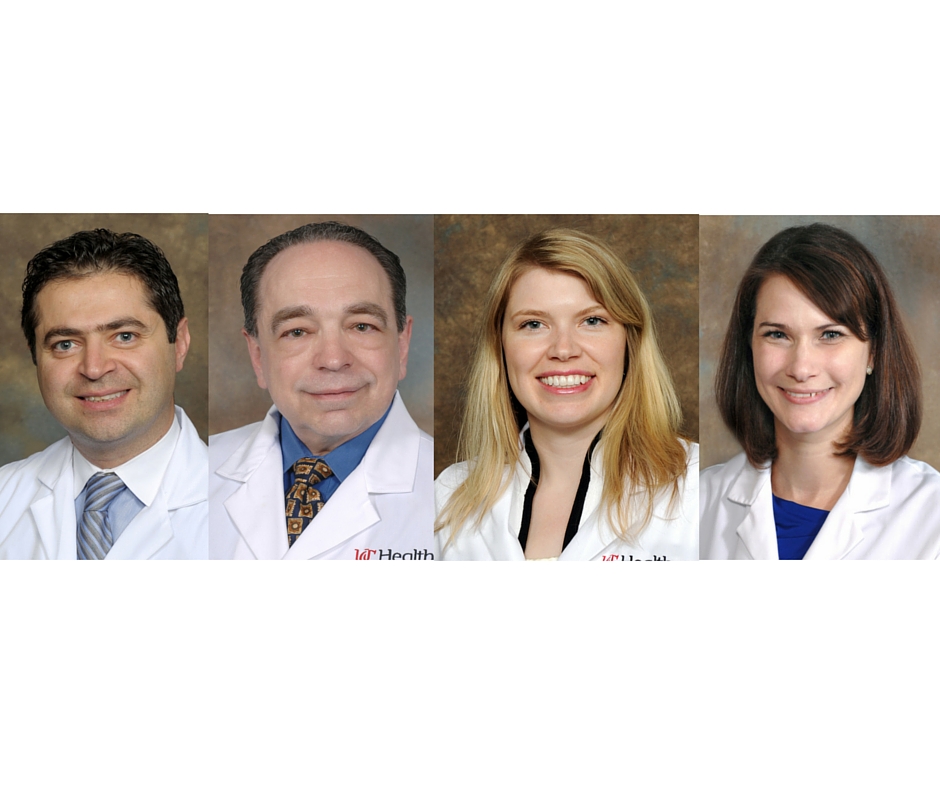
Waddell Center physicians, from left: Medical Director Aram Zabeti, MD, Lawrence Goldstick, MD, Michelle Bowman, MD, and Elizabeth Dragan, MD.

Contact: Keith Herrell
(513) 558-4559
[email protected]

Greatly Expanded Clinical Team

The Waddell Center for Multiple Sclerosis at the University of Cincinnati (UC) Neuroscience Institute has in the past six months added four new physicians to its team of MS experts, bringing the total to five MS specialists. In addition, the Center has added a nurse practitioner, a social worker, and two new medical assistants in order to continue to strengthen MS care for residents of the Tristate and beyond. The MS team also includes specialists in neurology, urology, neuro-ophthalmology, neuropsychology, physical medicine and rehabilitation.

“There are a large number of people who need an MS specialist in this region,” says Aram Zabeti, MD, medical director of the Waddell Center and an assistant professor in the UC College of Medicine’s Department of Neurology and Rehabilitation Medicine. “The Waddell Center is pleased to be able to expand our clinical services to offer the highest level of care to patients with multiple sclerosis in the Tristate and beyond.”

Newly Added Clinical Trials

In addition, the Waddell Center has also significantly expanded its clinical research and is now overseeing 21 clinical trials, with multiple new studies in the start-up phase. UC Health added three clinical trials coordinators in the new Dayton office, bringing the total number of clinical trials coordinators system-wide to five.

“Clinical research brings future therapies to people who are suffering today,” says Zabeti. “With our new additions to clinical research, we are in better position than ever to do that.”

One of the clinical trials includes the Cincinnati portion of the 28-site phase-2 clinical trial for ibudilast, an anti-inflammatory drug that is being tested in study participants with primary or secondary progressive MS, which is ongoing but not currently recruiting participants.

Rehabilitation Programming

Rehabilitation is an important component of comprehensive, quality healthcare for people with MS at all stages of the disease. The Waddell Center has re-energized its rehabilitation programs. In the past year, the Center added a physical medicine and rehabilitation specialist to the team, and more recently the Center received funding to expand classes for people with MS.

Restorative Yoga for MS

This class started as a collaboration with the Ohio Valley Chapter of the National MS Society, and the Waddell Center will be continuing the Friday morning class at the Stetson Building, 260 Stetson Street in Cincinnati. Restorative yoga is a series of gentle poses and breathing techniques that emphasize alignment to benefits posture and balance; release tension so the body feels more energized; and teach relaxation techniques to reduce stress.

Aquatherapy Class for MS

This class is continuing at the UC Campus Recreation Center on Tuesday and Thursday mornings. Aquatherapy can enhance overall health while also reduce fatigue, improve balance, muscle flexibility and strength.

The Benefit of Comprehensive Care

“Our multidisciplinary team provides expert care in the management of MS, which can help slow the disease progression, treat relapses, manage symptoms, and address emotional health,” says Dr. Zabeti, who came to lead the Waddell Center team in 2013 from the Oregon Health and Science University’s Multiple Sclerosis Center. “Comprehensive care can make a big difference in a person’s quality of life, by improving comfort, function, independence, and overall wellness.”

The Waddell Center is one of 14 centers and programs within the UC Neuroscience Institute, a partnership of the UC College of Medicine and UC Health.

Welcoming New MS Specialists

To schedule an appointment at UC Health, please call (513) 475-8730.

Michelle Bowman, MD
Assistant professor in the UC Department of Neurology and Rehabilitation Medicine
Dr. Bowman joined the Waddell Center team in September after completing her residency at UC and a fellowship at Ohio State University. She primarily practices at UC Health Physicians Office North in West Chester.

Allen DeSena, MD, PhD
Assistant professor in the UC Department of Neurology and Rehabilitation Medicine
Dr. DeSena did his fellowship in UT Southwestern Medical Center in Dallas and sees both adult and pediatric patients. He primarily practices at UC Health Physicians Office Clifton and Cincinnati Children’s Hospital Medical Center.

Elizabeth Dragan, MD
Assistant professor in the UC Department of Neurology and Rehabilitation Medicine
Dr. Dragan joined the team this month from Baylor College of Medicine Maxine Mesinger Multiple Sclerosis Clinic in Houston. She practices in multiple locations, including UC Health Physicians Office Clifton, UC Health Physicians Office North in West Chester and the Hoxworth Building.

Lawrence Goldstick, MD
Associate professor in the UC Department of Neurology and Rehabilitation Medicine
Dr. Goldstick has 36 years of experience of treating patients with multiple sclerosis. He practices at the UC Neurology Clinic in Dayton.

Sandy Parawira, MSN
Ms. Parawira Clinical nurse practitioners are able to diagnose illnesses, order treatments and prescribe medications. She sees patients at UC Health Physicians Office Clifton and UC Health Physicians Office North in West Chester.

]]>
Sixth Walk Ahead for a Brain Tumor Cure Is Sunday, Oct. 25 https://ucneuroscience.com/pressrelease/sixth-walk-ahead-for-a-brain-tumor-cure-is-sunday-oct-25/ Wed, 07 Oct 2015 04:00:00 +0000 https://ucneuroscience.com/pressreleasex1sixth-walk-ahead-for-a-brain-tumor-cure-is-sunday-oct-25/
Participants in the 5k run during the 2014 Walk Ahead for a Brain Tumor Cure. Photo by Joe Simon.

Participants in the 5k run during the 2014 Walk Ahead for a Brain Tumor Cure. Photo by Joe Simon.

CINCINNATI—Walk Ahead for a Brain Tumor Cure, the largest regional fundraiser for brain tumor education and research, will be held Sunday, Oct. 25, 2015, at Sawyer Point.

All proceeds from the sixth annual event will support research and education at the Brain Tumor Center at the University of Cincinnati Neuroscience Institute and UC Cancer Institute, joint initiatives of the UC College of Medicine and UC Health.

Researchers at the UC Brain Tumor Center are using Walk Ahead funds to study the major pathways used by cancer genes, the specific proteins that play a role in the spread of cancer cells and the compounds that inhibit the ability of cancer cells to utilize energy.

Last year’s Walk Ahead drew 3,200 participants from 20 states and raised more than $300,000, bringing the event’s cumulative fund-raising total to more than $1 million. Event co-chairs are brothers Brian Wiles and Joe Wiles.

“Walk Ahead has grown rapidly and is playing an ever-larger role in our ability to fund promising basic science research,” says Ronald Warnick, MD, medical director of the UC Brain Tumor Center and the John M. Tew, Jr., MD, Chair in Neurosurgical Oncology. “One pilot cancer study funded by Walk Ahead recently led to a $1.67 million, five-year grant from the National Institutes of Health.

“We are privileged to serve as stewards of the walk’s donations,” Warnick adds. “Our translational researchers are working hard to convert molecular discoveries into therapies that can prolong our patients’ lives and improve quality of life.”

Brain tumors are not uncommon. The American Brain Tumor Association estimates that 70,000 primary brain tumors (those that originate in the brain) are diagnosed each year, about 35 percent of which are malignant. The incidence of metastatic brain tumors (those that have spread from another part of the body) is far higher, with more than 170,000 cases diagnosed each year.

Brian Wiles, a member of the UC Brain Tumor Center’s Community Advisory Council, reports that the Walk Ahead quilt, constructed from team members’ T-shirts, has been rebuilt and will be on display again. The quilt, now 11 feet by 10 1/2 feet in size, will feature a new border made from more than 20 shirts donated last year. “Each shirt in the quilt represents a personal story of courage and determination in the journey to bring an end to this challenging disease,” Wiles says.

Walk Ahead will feature a 5-kilometer chip-timed run, beginning at 8 a.m., and a 5k walk that will follow at 8:45. The wheelchair-accessible route starts and finishes at Sawyer Point Park and will include a stroll across the Purple People Bridge. The celebratory walk/run will feature music and refreshments.

To register, donate or volunteer, please visit www.walkahead.org. For sponsorship information, contact Bethany Christie at 513-558-6903 or [email protected].

The UC Brain Tumor Center treats patients with complex tumors of the brain, head, neck and central nervous system. The center’s multidisciplinary team includes specialists in radiation oncology, neurosurgery, neuro-oncology, otolaryngology, neuro-ophthalmology, physical medicine and rehabilitation, restorative medicine, neuropathology, neuroradiology and integrative medicine.

]]>
Brain Tumor Conference Explores Healing, Wellness & Research https://ucneuroscience.com/pressrelease/brain-tumor-conference-explores-healing-wellness-and-research/ Tue, 15 Sep 2015 04:00:00 +0000 https://ucneuroscience.com/pressreleasex1brain-tumor-conference-explores-healing-wellness-and-research/
Luke Pater, MD,

Luke Pater, MD, Director of the 2015 Midwest Regional Brain Tumor Conference.

CINCINNATI—The 2015 Midwest Regional Brain Tumor Conference, a free educational event for patients, caregivers and family members, will be held from 8:30 a.m. to noon Saturday, Oct. 24, at the Sharonville Convention Center, 11355 Chester Road. Registration and continental breakfast begin at 8 a.m.

The annual conference, “Hope, Innovation, Progress, Support,” is presented by the Brain Tumor Center, a center of excellence within the University of Cincinnati (UC) Neuroscience Institute and UC Cancer Institute. The institutes are joint initiatives of the UC College of Medicine and UC Health.

Educational sponsorship for the conference is provided by the American Brain Tumor Association.

Register now »

Topics will include healing and brain tumors, mindfulness and meditation, brain tumor research at UC, minimally invasive brain tumor surgery, and skull base surgery. Breakout sessions will focus on brain tumor types: glioma, acoustic neuroma, meningioma and pituitary adenoma. An additional breakout session will cover wellness.

Featured speakers and breakout session leaders include the following members or affiliates of the UC College of Medicine faculty and the UC Brain Tumor Center:

  • Norberto Andaluz, MD, associate professor of neurosurgery
  • John Breneman, MD, professor emeritus of radiation oncology and neurosurgery and associate director, UC Brain Tumor Center
  • Rekha Chaudhary, MD, associate professor of hematology oncology
  • Mary Gaskill-Shipley, MD, professor of radiology
  • Christopher McPherson, MD, associate professor and director of the division of surgical neuro-oncology, with Dale Greene, RN, and Connie Wagenknecht, CNP
  • Luke Pater, MD, assistant professor of radiation oncology
  • David Plas, PhD, associate professor, Department of Cancer Biology and the Anna and Harold W. Huffman Endowed Chair in Glioblastoma Experimental Therapeutics
  • Ravi Samy, MD, associate professor of otolaryngology–head and neck surgery
  • Timothy Struve, MD, chief resident, UC Department of Radiation Oncology
  • Ronald Warnick, MD, medical director of the UC Brain Tumor Center and the John M. Tew, Jr., MD, Chair in Neurosurgical Oncology
  • Geraldine Wu, MD, director, Integrated Behavioral Services, Inc., and volunteer professor, UC Health Integrative Medicine
  • Lee Zimmer, MD, PhD, associate professor and director, Endoscopic Cranial Base Center, Division of Sinus Surgery
  • Mario Zuccarello, MD, professor and Frank H. Mayfield Chair for Neurological Surgery

Although the conference, parking and continental breakfast are free, participants are asked to register by calling (513) 584-8642 or by visiting https://ucneuroscience.com/events/braintumorconference/

An event brochure is available online and can be downloaded as a PDF. Because costs of the symposium rise each year, participants are invited to make a voluntary donation of $20 or more.

Conference director is Luke Pater, MD, a radiation oncologist at the UC Brain Tumor Center.

]]>