
Revolutionary Wireless Vagus Nerve Stimulator Brings Medical-Grade Wellness Technology to Consumer Market
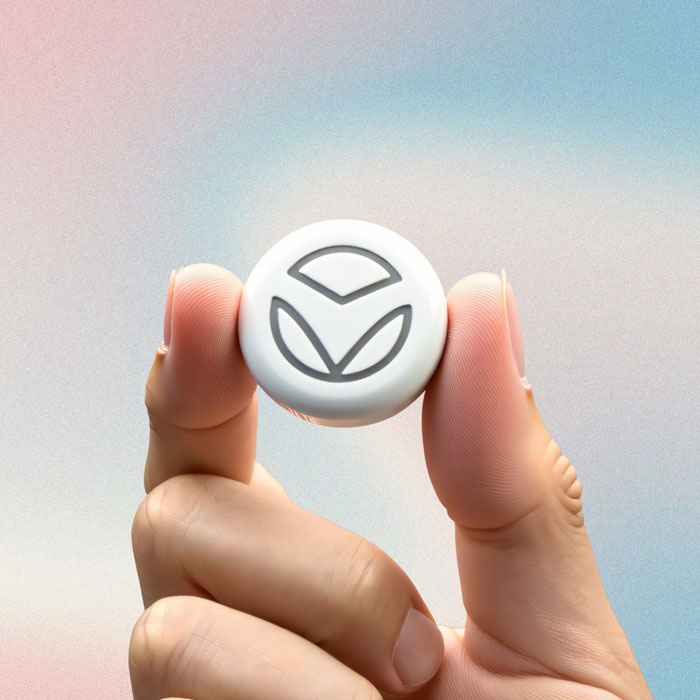
Vagal oh! Introduces Ultra-Compact Device Featuring Breakthrough EverSteady Technology for Safe, Non-Invasive Nerve Stimulation [San Diego, September 10th] – Vagal.com, a leader in accessible vagus nerve stimulation technology, today announced the launch of Vagal Oh!, a ground-breaking wireless, non-invasive vagus nerve stimulator that represents a quantum leap in personal wellness technology. The ultra-compact device incorporates proprietary EverSteady technology, establishing a new gold standard for safe consumer nerve stimulation. Breaking the Size Barrier in Wellness Technology At just 23mm, Vagal oh! is the world’s smallest wireless vagus nerve stimulator, making advanced wellness technology truly portable without compromising effectiveness. The device’s revolutionary miniaturization represents years of engineering innovation, bringing medical-grade nerve stimulation capabilities to a form factor smaller than most fitness trackers. “We’ve fundamentally reimagined what’s possible in vagus nerve stimulation,” said Hannah, Customer Relations at Vagal.com “Vagal Oh! proves that cutting-edge wellness technology doesn’t require bulky equipment or complex setups. This is vagus nerve stimulation made beautifully simple.” EverSteady Technology: The New Gold Standard The device’s cornerstone innovation, EverSteady technology, addresses the primary safety concerns that have limited consumer access to vagus nerve stimulation. This proprietary system automatically monitors and adjusts stimulation parameters in real-time, ensuring optimal therapeutic benefit while maintaining the highest safety standards. EverSteady technology features: Adaptive Current Regulation: Automatically adjusts stimulation intensity based on individual physiological responses Continuous Safety Monitoring: Real-time impedance checking prevents overstimulation Precision Targeting: Advanced algorithms ensure stimulation reaches optimal nerve pathways Zero-Drift Guarantee: Maintains consistent therapeutic parameters throughout each session Clinical Foundation Meets Consumer Accessibility Vagus nerve stimulation has been extensively studied for its benefits on stress reduction, sleep quality, mood regulation, and overall wellness. However, previous devices required clinical settings or complex home installations. Vagal oh! democratizes this technology, making it accessible to anyone seeking to optimize their autonomic nervous system. “The vagus nerve is essentially your body’s reset button,” explained Dr. Brown, an independent neurologist specializing in autonomic disorders. “What Vagal has achieved with EverSteady technology is remarkable – they’ve made this powerful therapeutic modality both safe and simple enough for daily home use.” Market Impact and Availability The wellness technology market has seen unprecedented growth, with consumers increasingly seeking evidence-based solutions for stress management and overall health optimization. Vagal Oh! enters this market with a unique value proposition: medical-grade efficacy in an ultra-portable, user-friendly package. Key market differentiators include: Wireless Freedom: No cables, electrodes, or complex setup requirements Ultra-Portable Design: Fits easily in pocket or purse for wellness on-the-go Medical-Grade Safety: EverSteady technology ensures clinical-level safety standards Consumer-Friendly: Designed for daily use by wellness enthusiasts, not medical professionals About Vagal Founded on the principle of making advanced wellness technology accessible to all, Vagal has been pioneering consumer vagus nerve stimulation solutions since 2019. The company’s mission, “Vagally Better,” reflects its commitment to improving lives through innovative nerve stimulation technology. Vagal’s products combine rigorous scientific research with elegant design, bringing clinical-grade wellness solutions to the consumer market. Ordering Information Vagal Oh! is available for immediate order through vagal.com. Early adopters can take advantage of introductory pricing and free shipping worldwide. Order now at Vagal.com Media Contact: Hannah Vagal Phone: +1 678 VAGALLY Email: [email protected] Website: https://vagal.com High-resolution images, technical specifications, and interview opportunities available upon request. About This Release: This press release contains forward-looking statements about Vagal’s products and technology. While based on current research and development, individual results may vary. Vagal oh! is designed for wellness purposes and is not intended to diagnose, treat, cure, or prevent any disease.
Guillain-Barré in the Spotlight, But No Stranger to UC Neuromuscular Team
Neuromuscular specialist John Quinlan, MD, at the UC Academic Health Center. Photo by Cindy Starr. The world has wept a collective tear during the last several months following the surge of babies born with small heads and underdeveloped brains, the unproven but likely effect of mothers infected with the mosquito-borne Zika virus during pregnancy. But babies may not be the only ones at risk from complications of Zika, which is carried by the Aedes aegypti mosquito. The World Health Organization (WHO), in its “Zika Situation Report” of Feb. 26, stated that although links to the Zika virus infection remain circumstantial, “a growing body of clinical and epidemiological data points towards a causal role for Zika virus” not only in the microcephaly seen in newborns, but also in Guillain-Barré syndrome (GBS). Guillain-Barré is a rare and potentially life-threatening autoimmune disorder in which the body attacks the peripheral nerves and damages their insulating layer (the myelin sheath). WHO reports that during 2015 and 2016, eight countries and territories have reported an increased incidence of GBS and/or laboratory confirmation of a Zika virus infection among GBS cases. A study by researchers in French Polynesia and Europe, published this week in the Lancet, provides strong new evidence of a link between Zika and GBS. Though less publicized than the deepening microcephaly crisis, GBS is no stranger to the United States, nor to the University of Cincinnati Neuroscience Institute. John Quinlan, MD, a UC Health neurologist and medical director of the institute’s Neuromuscular Center, says he and his colleagues treat 10 to 15 patients with Guillain-Barré each year. “Some cases are caused by a viral infection, some by a bacterial infection, some by a vaccine,” Dr. Quinlan says. “Many times we don’t know what the cause is.” Guillain-Barré usually begins with weakness of the legs and mild numbness and tingling in the feet and moves upward. Over days to weeks it can progress to paralysis of the breathing muscles and death. But when caught early, it is curable in most situations. The syndrome can strike people of any age. “The disease is particularly worrisome because it can attack someone who’s perfectly healthy,” Dr. Quinlan says. “And it comes on pretty fast, over days. It could take a person from normal health to paralysis in five days. And that wouldn’t be a record.” The good news, he says, is that “we can make such a difference in the outcome.” Diagnosis can involve the following tests: • Spinal tap, which can reveal a protein associated with GBS • Electromyography, which measures nerve activity in the muscles • Nerve conduction studies, which measure the speed of nerve signals Because a spinal tap early in the course of the disease can be normal, Dr. Quinlan, a professor of neurology and rehabilitation medicine, teaches his resident physicians to “keep it simple” and focus on testing the patient’s strength exam, reflexes and breathing capacity. “The first thing I’ll ask residents is, ‘What is their breathing capacity like?’ And then we track that carefully.” Treatment involves one of two therapies: administration of high doses of intravenous immunoglobulin, which contains healthy antibodies from blood donors; or plasmapheresis, which rids the body of antibodies that are attacking the nerves. Both treatments are equally effective in slowing and eventually stopping the disease and allowing the nervous system to repair itself. Some patients may need to be placed on a ventilator. Complications that lurk include pneumonia, pulmonary embolism from lack of movement, and cardiac problems. Two-thirds of patients who are treated early will return to normal over a period of weeks to months, Dr. Quinlan says, but the remainder have a slower and incomplete recovery. The death rate is about 5 percent. Anyone who experiences an unusual weakness of the limbs that worsens over days should call his or her doctor or go to the emergency room, regardless whether or not they visited a country where Zika virus is present. “Remember,” Dr. Quinlan says, “we see plenty of GBS cases that have nothing to do with Zika.” For more information about Guillain-Barré syndrome, visit the National Institute of Neurological Disorders and Stroke. — Cindy Starr
A Grateful Survivor Marks her 10-Year Anniversary with Annual Holiday Gift of ‘Mary’s Socks’
Mary Siereveld, center, prepares to deliver gifts to patients on the neuroscience floor at the UC Medical Center. At left, Lisa Bowman, RN, Nurse Manager on 4 West; at right, Carrie Roark, Medical Assistant at the Gardner Center for Parkinson’s Disease and Movement Disorders. Photos by Cindy Starr. Mary Siereveld, a brain tumor survivor who delivers socks and a message of hope every December 23rd to patients on the University of Cincinnati Medical Center’s neuroscience floor, was unusually emotional this time. “It’s my 10th anniversary, and I’m good,” Mary said today, wiping away tears. “I’m healthy. I’m happy, and I just want everyone to have the hope that they’re going to be OK. I want to spread hope that God is good. I want to meet everyone on the fourth floor.” Mary also wanted to convey a second message about Christmas and giving: “It’s as simple as a pair of socks.” December 23 will always have special meaning for Mary. On that date in 2005 the Kentucky schoolteacher underwent brain surgery at the UC Medical Center. John M. Tew, MD, a neurosurgeon with the Brain Tumor Center at the UC Neuroscience Institute, removed a 1½-inch by 2-inch tumor that was pressing on Mary’s brainstem. Mary spent Christmas in the hospital, recovering. She also spent many hours thinking about Christmas and the values that were most important to her. Mary and Dr. John Tew, a year after her surgery at UC Medical Center. In past years Mary had been immersed in the decorative trappings of Christmas. “My thoughts of Christmas had always been Martha Stewart-like: every corner decorated with red and green, lighted candles in every window, a garland around the front door, cookies baked, all the presents wrapped under the tree, and a from-scratch Betty Crocker fruitcake,” Mary recalls. But during her stay on the neuroscience floor at the UC Medical Center, her most treasured moments had nothing to do with garlands or wrapping. They included, rather, a kindly visit from two strangers, her first shower after surgery, fresh hospital socks each day, and a lengthy conversation with Dr. Tew on Christmas Day. “Martha Stewart never came calling that year,” Mary says. “God had other plans for me. Now that I look back, it was the best Christmas ever for me. Angels disguised as doctors, nurses, and hospital staff were so attentive to my needs.” Mary delivering socks for the first time, in 2006. Every year since then, on December 23, Mary returns to the hospital with a heartfelt letter and a simple gift for patients who are staying on the neuroscience floor. The gift is a pair of fuzzy socks. “A fresh, clean pair of hospital-issue socks was something that I looked forward to each day,” she remembers. “They were warm. They were versatile. I wore them all day and all night. With the help of a physical therapist, I walked up and down the halls a few times a day in them. It was a small thing, but I grew to love them each day when I received them. They symbolized consistency, and they were tangible things that were literally taking me down the road to recovery.” In 2009 Mary and the UC Health Foundation established Mary’s Socks Fund. The fund provides socks for patients with brain tumors during the holidays and also helps to fill basic, unmet needs for patients who experience significant hardship during their illness and hospitalization. To make a donation to Mary’s Socks Fund through the UC Health Foundation, please contact: Tricia Mullins Associate Director of Development UC Medical Center 234 Goodman Street Cincinnati, OH 45219 (513) 584-6936 or [email protected] — Cindy Starr
2015: A Year of Progress, Healing and Thanks
The physicians, researchers, managers and associates of the University of Cincinnati Neuroscience Institute, a collaboration of the UC College of Medicine and UC Health, extend a heartfelt thank you to our friends who supported our tripartite mission throughout 2015. With your help we continued to build upon our efforts to provide the best available treatments and family-centered care, to aggressively pursue new therapies and potential cures for neurological disease, and to educate future physicians and the public. During the past year we have touched the lives of thousands of individuals. Our work has been steadfastly supported by donors, sponsors, private foundations, volunteers and the leaders of our Community Advisory Councils, who together have contributed millions of dollars and hundreds of hours in support of our research and patient education programs. We are grateful for the millions of research dollars we have received from tax-supported institutions that include the National Institutes of Health (NIH), the Department of Defense and the UC College of Medicine. And we are indebted, above all, to our study participants, whose selfless role in clinical trials fuels our research and makes future discoveries possible. From this memorable year, here is a sampling of highlights: TRANSFORMATION Joseph Broderick, MD, Director, UC Neuroscience Institute, speaks during the Neuroscience Institute Campaign Kickoff at Lindner Family Tennis Center in Mason, Ohio. Photo by Joseph Fuqua II / University of Cincinnati. In August the UC Neuroscience Institute launched a $123 million project that will fund a new world-class outpatient facility for people with neurologic and psychiatric diseases. The campaign also will expand existing research programs, create new research initiatives, spark recruitment of additional physicians and researchers, support new training fellowships, and expand community-wide programming. More than $30 million of the $54.5 million philanthropic goal for the project already has been raised. The new facility will be designed around a holistic and integrated patient-care model and will help expand services, enhance coordination of clinical care, seamlessly incorporate clinical research and innovative treatments and include supportive services such as rehabilitation therapies and integrative medicine. “We envision a new hub for the UC Neuroscience Institute that will provide leading-edge, comprehensive care in a single location,” said Joseph Broderick, MD, Director of the UC Neuroscience Institute. “The design and infrastructure will enhance our processes to more efficiently integrate research and education with clinical care and to improve the patient experience. In addition, it will provide space for educational workshops and seminars to benefit the entire community.” CLINICAL CARE During the 2015 fiscal year, which ended June 30, 2015, UC Neuroscience Institute clinician-researchers gave their patients access to more than 90 clinical trials. The University of Cincinnati Medical Center was recertified by the Joint Commission as an Advanced Comprehensive Stroke Center, the highest level of certification, which is reserved for institutions with specific abilities to receive and treat the most complex stroke cases. For the second straight year, the Medical Center also received the Get With The Guidelines–Stroke Gold Plus Achievement Award for implementing specific quality improvement measures outlined by the American Heart Association/American Stroke Association for the treatment of stroke patients. The National Association of Epilepsy Centers named the UC Epilepsy Center a Level 4 Center, the highest level possible, for an 11th consecutive year. The University of Cincinnati Medical Center, led by the Brain Tumor Center team, continued to perform seven times more brain tumor surgeries than any other area hospital. The Waddell Center for Multiple Sclerosis underwent a major expansion with the hiring of four new neurologists, a nurse practitioner, a social worker and two medical assistants. The Waddell Center, never more robust than it is today, can now offer clinical services at the highest level to patients in the tristate and beyond. The Mood Disorders Center began implementing a collaborative care model at UC Health’s resident internal medicine clinics at Hoxworth Center in Clifton and at the Margaret Mary Hospital system in Batesville, Indiana. The UC Neurosensory Disorders Center provided free voice assessments; UC Health launched a spinal cord injury clinic at the Daniel Drake Center for Post-Acute Care; and multiple centers helped patients and families cope with illness through support groups, exercise classes, aquatic and massage therapy, and yoga classes. RESEARCH Pooja Khatri, MD, Professor of Neurology and Director, Acute Stroke Program During the 2015 fiscal year, which ended June 30, 2015, UC Neuroscience Institute researchers published at least 170 articles in peer-reviewed journals. The Comprehensive Stroke Center continued to serve as a founding member of two elite NIH-funded clinical trial networks: StrokeNet and NeuroNext, while serving as the national coordinating center for StrokeNet, which directs all NIH-funded stroke trials in the United States. NIH awarded a $6.8 million, 5-year renewal of the Greater Cincinnati/Northern Kentucky Stroke Study, which has identified 20,000 cases of stroke and transient ischemic attack in a racially diverse, five-county region since 1993. The study has shed light on stroke incidence while creating widespread awareness. Endovascular specialists at the Stroke Center helped prove that the new generation of clot-removing devices could save more patients who had dangerous, large-vessel blockages than medication alone. Researchers from the Mood Disorders Center were approved for $12.9 million in funding from the Patient-Centered Outcomes Research Institute (PCORI) to assess strategies for minimizing obesity and weight gain in children with bipolar disorders. Melissa DelBello, MD, is the principal investigator at UC for the study. The Epilepsy Center completed its part in a $2.6 million, multicenter trial that found that generic antiepileptic drugs were biologically and clinically indistinguishable from brand drugs. The Epilepsy Center also completed the SMILE study, funded by the Shor Foundation, which demonstrated in a scientifically rigorous way that a stress-reduction program reduced seizures in people with medication-resistant epilepsy. With UC Health’s purchase of a clinical trials practice in Dayton, Ohio, the Waddell Center for Multiple Sclerosis greatly expanded the number of clinical trials it could offer its patients. The Dayton practice includes three clinical trials coordinators and more than a dozen ongoing clinical trials in MS. The Neurobiology Research Center
UC Joins Northeast ALS Research Consortium
The University of Cincinnati has been admitted into the Northeast Amyotrophic Lateral Sclerosis Consortium, an international research collaborative based in Boston that includes more than 100 members. Membership in the consortium, also known as NEALS, positions the UC Health ALS Clinic for acceptance into ALS clinical trials and will enable the clinic to bring the most current clinical ALS research to the Greater Cincinnati-Northern Kentucky region. “This will allow the UC team to be able to offer not only the most current clinical treatments, but also innovative ways for the ALS community here in our region to be able to contribute to the fight against this disease,” says Robert Neel, MD, pictured above, a UC Health neurologist and Director of the ALS Clinic, which is part of the UC Neuromuscular Center. “We have begun screening dozens of potential ALS studies and are seeking to participate in promising studies that are actively recruiting,” Dr. Neel adds. “We have already been invited to participate in our first national study through this collaboration.” ALS, also known as Lou Gehrig’s disease, is a progressive neurodegenerative disease that attacks nerve cells and pathways in the brain and spinal cord. It is considered an “orphan” disease because of the relatively small number of people – about 5,600 in the United States — who are diagnosed with it each year. As a result, clinical trial opportunities have been relatively scarce, and the most promising national trials fill up quickly. The UC Health ALS Clinic, which is held two half-days per month at the Daniel Drake Center for Post-Acute Care, provides patients and their families with comprehensive care from a physician and therapists during a single, 3- to 4-hour visit. NEALS was founded in 1995 with nine academic clinical centers in the New England area. With help from the ALS Association and generous donors, NEALS membership has grown to more than 100 research centers across North America, Ireland and Israel. Together, these institutions are committed to performing research in ALS and motor neuron disease. — Cindy Starr
Health Restored, a Brain Tumor Survivor Shares Her Story and Song
Billi Ewing of Dayton, Ohio, and her son, Trenton, at the Walk Ahead for a Brain Tumor Cure. Photos by Cindy Starr. After Billi Ewing underwent surgery for an atypical meningioma, a difficult but benign brain tumor that had grown into her facial structure, she found that she had trouble opening her jaw. Although the side-effect was not surprising, it was worrisome because Billi had been singing – so the story goes – ever since she emerged from the womb. She was now an accomplished neo-soul singer, and she could not imagine a life without song and stage. “I prayed for restoration,” Billi says. “I said, ‘Lord restore me as best you can to what I was before. If you do, I will go forth and tell everybody I come across what you did for me. If you give me my voice back, that’s what I’ll do. And I will speak out for others who suffer from brain tumors.’ ” Billi fulfilled that promise in a big way last Sunday at the 6th annual Walk Ahead for a Brain Tumor Cure when she kicked off the walk with a passionate and nuanced rendition of the National Anthem. She sang while holding the hand of her son, Trenton, who had stood by her bravely a year ago when Dr. Mario Zuccarello, a neurosurgeon at the UC Brain Tumor Center, removed the tumor during a 13-hour operation on Trenton’s 5th birthday. After the Anthem, Billi joined survivors, family members, friends and healthcare providers for the 5k walk. A total of 3,383 individuals from 19 states, including 133 teams, participated in the chip-timed run and walk, while they and their supporters have raised more than $316,000, with funds still being tabulated. The 6-year-old event has now grossed more than $1.3 million for education and research at the Brain Tumor Center at the University of Cincinnati Neuroscience Institute and UC Cancer Institute. Both institutes are collaborations of the UC College of Medicine and UC Health. Event co-chairs Brian Wiles, left, and his brother, Joe Wiles. This year five teams raised more than $11,000: Team Mama Deb, Team Warner, Joe’s Team, Team Papaw – Joe Rippe, and Dr. Mike’s Mischief Makers. The event’s presenting sponsor was Anthem Blue Cross Blue Shield; the gold sponsor was Papaw Joe Rippe; and silver sponsors were Shemenski Foundation, Miller Valentine Group, Mayfield Brain & Spine, and Dwyer Insurance. Event Co-chairs were brothers Brian and Joe Wiles, and Kyla Woods of WLWT News 5 served as emcee. Watch WLWT News 5’s wrap-up segment about the walk » Team Mama Deb Cindy Switzer, captain of Team Mama Deb, had been planning to walk with her mother, Debbie Switzer-Powell. “But God had other plans for her,” Cindy says. “She passed away in February after an 8-year battle with brain tumors, and now I feel that it’s my job to carry on her legacy and help others who are not as fortunate as I was when I was going through this with her. It can feel like such a lonely journey, no matter how many beautiful people you have around you supporting you. I would love for others just to know that they are not alone in this fight!” Cindy Switzer, captain of Team Mama Deb, left, and Linda Dempsey, CNRN. In the end, the Walk – and the months leading up to it — provided unexpected benefits. “I used to own my own photography business, which I put to rest over two years ago when my mom’s health really started to decline,” Cindy says. “This year, I advertised that I was coming out of ‘photography retirement’ for a day and I hosted 32 mini-shoots, which raised over $2,000 for our team.” A blockbuster garage sale raised another $2,500. In the end, Team Mama Deb had 104 team members and led all teams with more than $18,000 in donations. “I had the most amazing time doing this,” Cindy says. “It has honestly been one of the most rewarding experiences of my life, and I think that organizing and leading this team really allowed me to start the healing process. I am so happy that Walk Ahead had such a wonderful turn out and that they could raise so much money. I’m so happy that Team Mama Deb could be a part of that!” Midwest Regional Brain Tumor Conference On Saturday, Oct. 24, the day before the Walk Ahead, 117 patients, family members and caregivers, 14 speakers and 14 exhibitor organizations took part in the Midwest Regional Brain Tumor Conference at the Sharonville Convention Center. Patients and families came from Ohio, Kentucky, Indiana and Michigan. — Cindy Starr
Transforming Care for Dementia and Memory Disorders
More than 200 supporters attended the Sept. 25 Forget-Me-Not Gala at the Phoenix in downtown Cincinnati. Photos by Joe Simon. UC Health has begun transforming the way memory disorders are being treated in Cincinnati. Supporting this transformation is the Forget-Me-Not Gala, held September 25, which netted a record $60,000 – a 40 percent increase over last year. These funds are earmarked for Alzheimer’s disease research at the Memory Disorders Center at the University of Cincinnati Neuroscience Institute. Joseph Broderick, MD, Director of the UC Neuroscience Institute, announced a generous donation from Dorothy “Bunny” Whitaker that has made it possible for UC Health to add a nurse practitioner and a social worker to the multidisciplinary team at the UC Memory Disorders Center. Dorothy “Bunny” Whitaker with Dr. John Tew, center, and John Steele. “These are important positions that have a significant impact on the patient experience,” Dr. Broderick said. “They add depth to the growing clinical team, which includes physicians from neurology, sleep medicine, geriatrics, neuropsychology and psychiatry.” This transformation has accelerated, particularly since the arrival last year of Rhonna Shatz, DO, Medical Director of the Memory Disorders Center. Dr. Shatz, who holds the Sandy and Bob Heimann Chair in Research and Education of Alzheimer’s Disease, came from Detroit, where she built a comprehensive memory disorders center at Henry Ford Hospital. “There’s an elephant in the room: it’s called Alzheimer’s disease,” Dr. Shatz said. “It is a silent development that begins three decades before we know that it’s there. Treating it when it is dementia does not work. We must treat it before it becomes dementia.” Tangible signs of this recent transformation include: • The Memory Disorders Center has implemented the National Institutes of Health’s “Toolbox,” which is a set of mental tests that enable doctors to pick up on the very earliest changes in cognition. People are being scheduled for this test annually so they can empirically track the progression of their disease. Ideally, Dr. Shatz said, all adults would take the test each year beginning in mid-life, much as they do a cholesterol test. • The Memory Disorders Center has expanded access geographically in the past year. People may now see memory specialists at UC Health Physicians offices in multiple locations – Clifton, West Chester and Dayton – for newly diagnosed dementia, as well as management of risk factors for dementia. • Another major shift has been the increasingly strong rapport and collaboration being forged between the Center and the Alzheimer’s Association’s Greater Cincinnati Chapter. Dr. Shatz views the Association’s prevention programs and lectures as critical resources for everyone, regardless whether or not they have a dementia diagnosis. • The Memory Disorders Center is developing specialized programs for patients who experience memory issues related to other neurologic diseases. One of these brand new initiatives is the launch of the first cognitive testing program within the Gardner Family Center for Parkinson’s Disease and Movement Disorders. Federico Rodriguez-Porcel, MD, a neurology fellow with experience in movement disorders, was recruited to assist with launching this new program. • The University of Cincinnati has achieved accreditation, through the UC Department of Neurology and Rehabilitation Medicine, for a new behavioral neurology fellowship from the United Council for Neurologic Subspecialties. • In the last year, the Center has implemented every aspect of the guidelines of the American Academy of Neurology for quality treatment of dementia in order to fit the national model of excellence. Bob and Sandy Heimann, whose support led to the establishment of the Memory Disorders Center. Dr. Shatz urged those in attendance to become advocates and to speak openly about Alzheimer’s disease, which is the most expensive disease in America, costing an estimated $214 billion a year and claiming a new patient every 67 seconds. To get involved in the Forget-Me-Not Gala or other UC Neuroscience Institute events, please contact Peggy A’Hearn at [email protected]. The Forget-Me-Not Gala, which netted $43,000 its first two years, was supported by platinum sponsors The Alois Alzheimer Center and Superior Care Plus, Inc. gold sponsors Episcopal Retirement Homes, Inc., and Elizabeth Grubow & Jerry Kathman. The live auction item, a “Wellness Experience” at the organic Turner Farm in Indian Hill, was donated by Susan and Dr. John Tew and Robert Edmiston. Co-Chairs Arden Steffen and Tara Steffen Emcee Liz Bonis, Medical Edge Reporter & News Anchor, Local 12 WKRC
Tom Mueller Honored with 2015 Sunflower Victory Award
From left, at the 2015 Sunflower Symposium: Cara Jacob, MD, Kim Seroogy, PhD, Andrew Duker, MD, George Mandybur, MD, Linda Mueller, Victory Award honoree Tom Mueller, and Maureen Gartner, NP-C. Tom Mueller, an integral member of the James J. and Joan A. Gardner Family Foundation, was honored with the 2015 Sunflower Victory Award at the Sept. 12 Sunflower Revolution Symposium & Expo for inspiring, empowering and giving hope to others in the Parkinson’s disease community. He represents the “Move to Live, Live to Move” philosophy of the Sunflower Revolution. “Tom and his wife, Linda, have been community leaders in the generation of awareness, support groups and fundraising for Parkinson’s disease well-being and research,” said Andrew Duker, MD, Co-Director of the Gardner Family Center for Parkinson’s Disease and Movement Disorders at the UC Neuroscience Institute. “They have carried on their family’s tradition of active involvement and wholehearted support of causes they believe in, and our community is the one to reap the rewards.” In November 2014, the Gardner Family Foundation announced a transformational, $14 million commitment to help provide the Institute with a new home. The Sunflower Symposium & Expo’s 650 attendees heard from two Parkinson’s heroes — Matt Wilbur and Davis Phinney — who described their experience with Parkinson’s disease. Attendees also learned from UC Health physicians about health issues related to the disease. The presentations can be viewed online >
A Subdivision Pulls Together to ‘Chip Away’ at Parkinson’s
Paul Lake, left, and Bob Dames have built Chipping Away at Parkinson’sinto an annual neighborhood happening. When Paul Lake learned that two people in his subdivision had Parkinson’s disease, he felt a wave of sympathy. When he heard that a third neighbor had Parkinson’s, he felt even more deeply concerned. And when a fourth neighbor developed this progressive, incurable neurological disorder, he knew it was time for action. That summer, he and his good friend Bob Dames launched the inaugural Chipping Away at Parkinson’s, a novel wiffle ball golf fundraiser that played out over two sprawling, wooded properties in the Brandonmore subdivision in Union Township. Three years later, the event is a testimony to what neighbors helping neighbors can accomplish. Last year the event donated $26,000 in proceeds to UC Health’s James J. and Joan A. Gardner Family Center for Parkinson’s Disease and Movement Disorders, one of 14 centers and programs of the University of Cincinnati Neuroscience Institute. Organizers hope that this year’s event, scheduled for Saturday, Sept. 19, raises even more. Register now for Chipping Away at Parkinson’s » When Paul initially approached Bob about doing a golf fundraiser, Bob wasn’t sure because so many charity golf outings already existed. But Paul’s idea was a catchy variation on the golf theme. “For years I’ve played wiffle ball golf when we camp,” Paul said. “I told Bob, ‘How about a wiffle ball outing – Chipping away at Parkinson’s – and right on my property and my neighbor’s property?’” Bob, the owner of Flipdaddy’s, liked the idea so much that he promptly signed on as the event’s corporate sponsor. “Our neighbors understood the need and felt like they had to do something,” Paul says. “Other neighbors jumped in as well.” The event was an immediate hit, and proceeds of roughly $12,000 and $18,600 from the first two events were sent to the New York-based Michael J. Fox Foundation, which has awarded $450 million to researchers for innovative projects, including some at the Gardner Center. Last year, the Chipping Away tournament committee discussed the possibility of keeping the funds in Cincinnati to help with local research efforts. “With Michael J. Fox, we’d have a wonderful event, send a check, and that was it,” Paul says. “We felt that we were just a number. Keeping the funds local was a no-brainer, and we embraced it completely.” That decision has made a difference, says Alberto Espay, MD, MSc, the Gardner Center’s director. With help from donors and events like Chipping Away, the Gardner Center was able to offer patients with movement disorders access to 31 clinical trials during the 2014-2015 academic year. “The Chipping Away funds have already served to foster our research and education missions,” Dr. Espay says. “These funds can also become important seeds for pilot clinical studies that are eventually reviewed at the level of the National Institutes of Health (NIH) for additional support. We are forever indebted to Paul, Bob and their fundraising team for their unwavering commitment to advancing the fight against Parkinson’s disease at UC!” A family-friendly affair The cost of Chipping Away is $25 per person for golf and/or food, $100 for a foursome, and $50 for a family. Hole sponsorships, which are still available, and a bid-and-buy auction bring in most of the funds. Golf begins at 10 a.m.; the cookout starts at 6; and a 60’s/70’s rock band plays from 8:30 until 11:30. About 400 people are expected to attend at some point during the day and evening. “We have a great time,” Bob says. “This is the only sponsorship Flipdaddy’s does all year. The Braxton Brewing Company is our beer supplier, and we have some great prizes. It’s just a really fun day. I’ve been blown away by the kindness of my neighbors and friends and volunteers to put it together. It’s very heart-warming.” How exactly is wiffle golf played? Each golfer gets a wiffle ball and uses a single golf club (an iron). Hula hoops serve as golf holes, which are marked by professional looking pins. Real scorecards are used, and prizes are awarded for lowest-scoring female, lowest-scoring male and best foursome. The competition seems to be heating up, Paul says. “But the golf is not what it’s about.” The event is about finding a cure for Parkinson’s disease, a progressive and disabling neurological disorder that affects five million people worldwide, more than one million in America, and four dear neighbors in a single subdivision in Union Township. — Cindy Starr
Sunflower Revolution Symposium to Spotlight Bladder Challenges Associated with Parkinson’s
UC Health urologist Ayman Mahdy, MD, PhD. Photo by Cindy Starr. Tremors, rigidity, shuffling steps: they are just a few of the slings and arrows suffered by people with Parkinson’s disease. Then there are the less talked-about secondary symptoms – including urinary problems – that can profoundly influence quality of life. This year, for the first time, the Sunflower Revolution Symposium & Expo will include a segment that focuses on bladder problems, diagnostics and the treatments available to patients with Parkinson’s disease at UC Health. Speaking about the topic at the free Sept. 12 event will be Ayman Mahdy, MD, PhD, Associate Professor of Urology at the University of Cincinnati College of Medicine and Director of Voiding Dysfunction and Female Urology at UC Health. Dr. Mahdy also will give a brief overview of sexual dysfunction, another secondary symptom of Parkinson’s disease. The 11th annual Sunflower Revolution Symposium, to be held Saturday, Sept. 12, at the Oasis Conference Center in Loveland, Ohio, is organized by the James J. and Joan A. Gardner Family Center for Parkinson’s Disease and Movement Disorders at the University of Cincinnati Neuroscience Institute. Register now > Dr. Mahdy, who trained in Egypt, performed fellowships at the University of South Carolina and Cleveland Clinic Florida. He joined UC Health in 2011. He treats patients with a variety of different neurologic conditions, including Parkinson’s, multiple sclerosis and neurotrauma. “Families come to me who are concerned with their loved one’s mental status,” Dr. Mahdy says. “Their loved one is soaking wet, wetting the bed. The family is coming with frustration, depression.” The situation is hard on families and caregivers, he says. Bladder problems affect many Bladder problems are common in people with Parkinson’s disease, a chronic, degenerative neurological disorder that affects one in 100 people over the age of 60. Of the 1 million people with Parkinson’s in the United States, 38 percent to 71 percent will suffer bladder problems, according to Dr. Mahdy. Sometimes urinary problems are caused by Parkinson’s, and sometimes they arise independently of the disease as a result of aging. “Some patients have dementia or other disorders that may impact their ability to control and/or empty their bladders,” Dr. Mahdy says. “Some may have prostate issues or prolapse issues, which can add to the problem. But in general, when we have a patient with Parkinson’s, we presume that bladder symptoms are primarily related to Parkinson’s. Incontinence, urgency, frequency or night frequency are more likely to be related to Parkinson’s.” Optimal care for patients with bladder problems begins with diagnostics. The core evaluation involves a video-urodynamics exam, a minimally invasive exam that enables the physician to use fluoroscopy and a contrast medium to visualize the bladder under x-ray. “We evaluate pressures and volumes, and the imaging shows us how the bladder looks,” Dr. Mahdy says. A urinalysis is performed to check for infection, and an ultrasound and blood test may be ordered to assess kidney health. A wide range of treatments Several treatments, ranging from conservative to invasive, are available to improve bladder symptoms in patients with Parkinson’s disease. In some cases, levodopa, the primary Parkinson’s medication, will succeed in improving bladder symptoms. But unfortunately, that is not always the case. “We always start conservatively,” Dr. Mahdy says. “We stay away from surgery if at all possible. And if surgery is required, we explore minimally invasive options first.” Conservative treatment options include: Avoidance of “bladder triggers,” including caffeinated drinks, alcohol, acidic juices and spicy foods; Avoidance of fluid intake within 4 hours of bedtime if bladder symptoms include night frequency, which robs patients (and caregivers) of sleep; Medications that focus on relaxing the bladder. Because older adults usually take a long list of prescriptions, the bladder medication must not cause drug-to-drug interactions or affect cognitive function; Absorbents (diapers, pads) to protect clothing and bedding; As a last resort, catheters, whose unwelcomed risks include infection, irritation and pain. Minimally invasive treatments When patients fail to benefit from conservative treatments, Dr. Mahdy may recommend a minimally invasive treatment that is appropriate to the patient’s diagnosis. Minimally invasive treatments include: Cystoscopy with an injection of botulinum toxin (marketed as Botox, Dysport, Xeomin and Myobloc); during this test, the doctor looks inside the bladder and urethra with a thin, lighted tube called a cystoscope. The doctor then injects the drug into the bladder wall, with the goal relaxing the bladder and treating symptoms of urgency, frequency and urge incontinence. InterStim bladder control therapy, an FDA-approved treatment developed by Medtronic, Inc., to help a select group of patients who suffer from urge incontinence or urinary retention. InterStim also is used off label for select patients with neurogenic bladder conditions, including patients with Parkinson’s disease. Urgent PC, an outpatient stimulation procedure used to help a select group of patients who suffer from urinary urgency, urinary frequency or urge incontinence. Minimally invasive prostate surgery, a procedure in which an enlarged prostate is treated so that flow is improved and bladder overactivity subsides. A small minority of patients may need more invasive surgery, including urinary diversion, Dr. Mahdy says. But for most people who struggle with bladder problems, a wide variety of helpful options are available. “The bladder is a huge topic,” Dr. Mahdy says. “It is in the caregiver’s best interest to learn about the disease of their loved one and to know what treatments are out there. People who come to see me often don’t know what to expect. Our presentation at the Sunflower Revolution will help them take the best care of their loved ones. It will help them understand the underlying cause, or causes, of patients’ bladder symptoms and what to expect down the road.” — Cindy Starr
